
Land Survey Cost Texas: A Practical Rural Buyer Guide
Updated: Sep 15
Buying rural acreage in Central Texas often requires a professional land survey to confirm property boundaries. This step prevents disputes, supports planning, and provides records that many lenders and title companies need before closing.
Land Survey Cost Texas: What does a land survey cost in Texas?
Land survey cost Texas buyers can expect often starts around $450 to $1,500 for a standard residential survey. Rural acreage can cost $2,000 or more because size, terrain, missing markers, access, and deed research add time. Always request a property-specific quote from a licensed Texas surveyor before closing.
Eden Land Company helps buyers understand the practical steps involved in purchasing Central Texas acreage. Knowing the factors behind a survey quote helps you build a realistic budget and choose the right survey scope for your intended use.
Buying land is a big step for any Texan. You must know where your property lines are before you build or fence your land. A land survey is an expert check that shows your lines and any buildings on the site. In most cases, a land survey cost in Texas depends on the size and type of the lot. You should always plan for this cost as part of your land-buying budget.
Common price ranges for Texas property
For a house lot in a town, the cost is often low. You can expect to pay between $450 and $1,500 for a simple line check. This work is fast because the land is mostly flat and easy to reach. The crew looks for metal markers in the ground to find the corners. If you are planning for a land survey, keep this range in mind for small lots.
Rural land and large ranch tracts cost much more. These surveys can range from $2,000 to $12,000 or even more. The price goes up because the land is larger and the lines are harder to find. Crews may have to walk through thick woods or climb over rocks. They also spend more time checking past records at the county office to be sure the lines are right.
Why size is not the only price factor
Many people think that the number of acres is the only thing that sets the price. But the shape and state of the land matter just as much. A flat, square ten-acre lot is easier to survey than a five-acre lot with a creek and many curves. If the land has heavy brush or many trees, the crew must work slower to mark the lines. This extra time will increase the final bill for your work.
Another factor is the state of the property markers. Surveyors look for iron rods or pipes that show where the land ends. If these markers are gone, the expert must search longer and run more checks. They may even have to check the lands next to yours to find the right start point. This deep research is a key part of learning about land survey costs for rural tracts.
How to get a good survey quote
In Texas, land surveyors must have a license from the state board. This ensures they follow high standards when they map your land. When you call for a quote, have your deed or an old map ready. These past records help the expert learn the work faster and can save you money. Be sure to ask if the price includes the final map and the metal markers for your corners.
Getting a new survey is a smart move to show you care about your new home. It helps you find out if the land is in a flood plain or if there are power lines you did not know about. Lenders and title firms often need an expert survey before they will close on a land loan. By getting a firm quote for your own tract, you can move forward with your dream of owning Texas land.
Common survey types for Texas rural land
When you look for land in Texas, you will find some kinds of surveys. Each type has an exact job. Some help you find your borders. Others help you get a loan or plan a build. Knowing the right one can help you plan your budgeting for a land survey without shocks.
Boundary surveys for property lines
A boundary survey is the most common tool for land buyers. It shows where one tract ends and a new one starts. The expert finds or sets markers at the corners. These markers are often iron rods or pipes. This work helps you avoid building a fence on the land of a neighbor.
The land survey cost Texas buyers pay for this work depends on the size of the tract. Small lots are easy to walk. But large ranch tracts with heavy brush take more time. If the markers are missing, the crew must spend more hours in the field to find the true lines. Missing markers are a common issue on old rural tracts.
Every survey in the state must come from a pro with a license. A state board sets the rules for these experts. A licensed pro ensures that your markers follow the law. This keeps your property rights safe for years to come.
Land title surveys for closing
Lenders and title firms often need a Category 1A Land Title Survey. This is a deep look at the land and its past. It shows the lines, plus items like roads, pipes, and power lines. It also looks for easements. An easement is a right for a third party to use part of your land. This might be a power firm or a neighbor who needs a road.
A land survey is often a must to get title coverage. This check protects you and the lender. It proves that the land you buy matches the legal papers. It also shows if any buildings or fences cross onto other lots. These cross-over issues can stall a sale.
Land shape and special surveys
Shape surveys show the rise and fall of the land. They map hills, valleys, and creeks. You might need one if you plan to build a house or a pond. They help pros see where water flows. This keeps your build site safe from flood risks. It is a key step before you start to clear trees or move dirt.
Special surveys can cost more. Large ranch tracts with old records can be hard to map. Some complex rural jobs can range from $2,000 to $12,000 or more. The price goes up if the land has thick trees or no clear access. You may also need a plat survey if you plan to split a large tract into small lots. Always ask for a clear quote before the work starts.
Survey | Purpose |
Boundary | Confirm lines and corners |
Land Title | Support a property closing |
Topographic | Map elevation and terrain |
What factors affect a Texas land survey quote?
Getting a quote for a land survey is not like buying a fixed-price item at a store. Every piece of land in Texas is unique, so every survey needs a custom estimate. A surveyor must look at several details before they can tell you what the job will cost. Some jobs take only a few hours of work. Others can take weeks of field time and office research. Knowing these factors can help you plan your budget when you are budgeting for a land survey for your new property.
Land size and boundary complexity
The total area of your property is one of the biggest factors in the price. A common home lot in a city or suburb is usually simple to measure. These small jobs often cost between $450 and $1,500. But as the acreage grows, so does the work. For a large ranch or rural tract, the cost can jump a lot. Large rural properties can range from $2,000 to over $12,000 because of the extra ground the crew must cover on foot.
It is not just about the total acres, but also the shape of the land. A perfect square with four straight sides is much easier to survey than a parcel with many zig-zagging boundary lines. If your land follows the path of a winding creek or an old stone wall, the surveyor must take more measurements. Each extra corner or turn in the property line adds time to the field work. This difficulty is why some understanding land survey costs starts with looking at your property map or deed.
Terrain and ground cover
What is on top of the land matters as much as the size. Surveyors need a clear line of sight to use their tools and take accurate measurements. If your property is flat and clear, the work moves fast. But if the land is covered in heavy brush, tall grass, or thick trees, it slows the process down. In many parts of Texas, crews must use machetes or saws to clear paths through the brush. They do this just to see from one point to the next. This extra labor increases the total quote.
Terrain also plays a big role in the final price. Steep hills, deep ravines, or marshy creek beds make it hard for a crew to move their gear. Working on a cliffside or in a floodplain takes more care and more time than working on a flat pasture. Experts often spend extra time in these rough areas. They do this to follow the rules set by the Texas Society of Professional Surveyors. These physical challenges can quickly turn a simple job into a hard project.
Research and missing property markers
A lot of survey work happens before the crew even arrives at your land. The surveyor must research past records, old deeds, and county maps. If the property has a long history of being split or sold, there may be many old records to check. If these records are hard to find or do not match up well, the office work takes longer. Good records help the surveyor understand the property faster, which can sometimes keep your costs lower.
The field crew also looks for physical markers, like iron rods or pipes, that show where corners are. These are called monuments. Over time, these markers can get buried, rusted away, or moved by road work. If a surveyor cannot find the original markers, they must work harder to find the correct lines. They may need to measure from nearby properties to rebuild the missing corner points. This process takes careful field work and extra research, which is why missing monuments often lead to a higher quote.
When do rural acreage buyers need a new survey?
Buying land in Central Texas is a big step toward a new way of life. An expert land survey defines the borders of your property and shows exactly what you own. While some sellers may have an old map, you often need a new one to protect your money and your plans. Getting a current survey is a key part of your work before you close the deal.
Title insurance and lender rules
Most banks and title firms need a new survey to close a land loan. A Land Title Survey, also called a Category 1A survey, gives the facts needed for title companies to insure the property. This check protects you against boundary fights. It shows rights of way and any visible items that might cross a property line.
If you are budgeting for a land survey as part of your buy, remember that lenders need this data. They use the survey to confirm the land size and check for flood zones. This helps them know the land is worth the loan amount.
New builds and fence lines
You should also get a survey if you plan to build on your new land. Whether you add a home, a barn, or a shed, you must know where your lines sit. Building a fence in the wrong spot can lead to high costs with neighbors. A survey marks the corners of your land with iron rods so you can build with trust.
Knowing the importance of a professional survey can save you cash in later repairs. If you build over a line, you might have to tear the structure down. A map from a licensed expert shows you where you can and cannot build.
Old records and property changes
An old survey might not show how the land looks now. Rural tracts often change over time as owners add roads or small plots. If the old map is aged, the markers on the ground may be lost. Thick brush or terrain changes can also hide the original points.
When markers are gone, an expert must spend more time on field work to find the right lines. A new survey gives you a fresh, signed map that you can use for years. This document is vital for any property change you plan to make.
Consider a new survey in these common cases:
When you buy or sell rural acreage.
When you plan to divide one large tract into small lots.
Before you clear brush or trees near a border.
If you need to find out if the land sits in a flood plain.
When you apply for owner financing or a bank loan.
Planning for a land survey cost in Texas early helps you avoid delays. While a simple check for a small lot might be cheap, ranch tracts can cost more due to their size. Always check with your lender or title agent to see what they need for your deal.
How to get a useful survey quote before closing
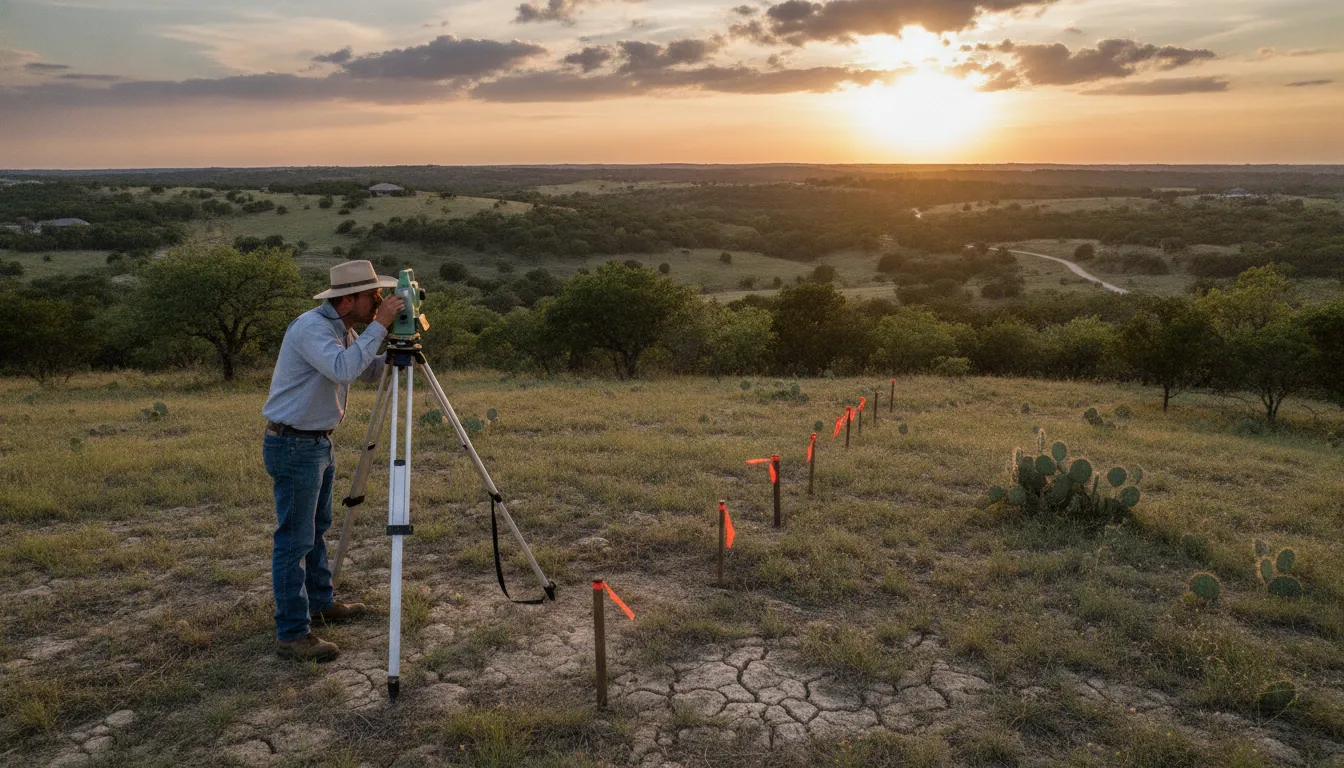
Getting a clear survey quote is a key step in your land search. A pro survey helps you find property lines and check for easements before you buy. This measurement of land and its boundaries ensures you know what you are paying for when understanding land survey costs. To get the best price, you should be ready to share facts about the tract with a licensed surveyor.
Gather your property records
Before you call for a quote, gather all the papers you have about the land. Having prior deeds or old maps can help a surveyor understand the job fast. It might even save you money on the land survey cost in Texas. Surveyors use these records to research the site history before they go out into the field. If you have a clear legal note or an old plat, send those items to the surveyor right away.
Describe the land and access
The state of the land affects how much time a crew spends on the site. If the tract has thick brush or steep hills, the work will take longer and cost more. Tell the surveyor if the property markers are gone or if the area is hard to reach. Clear talk about the land helps the pro give you a quote that won't change later. You should also check what to look for in a survey to ensure the quote covers all the items your lender needs.
Follow these steps to confirm your quote
Use this process to hire a surveyor and get the papers you need for your land buy.
Find a licensed pro.
Only use land surveyors who have a license from the
Texas Board of Professional Engineers and Land Surveyors
. A license ensures the work meets state rules for accuracy.
- Ask for a full scope.
Make sure the quote lists all the surveyor will do, such as finding corners and marking lines. A good quote should show if they will give you a signed and dated map for your records.
- Check the timeline.
Field work and research can take time, so ask when the final report will be ready. Knowing the date helps you stay on track for your closing.
- Compare many bids.
Get quotes from at least two or three firms to see the price range for your area. Use these bids to find a fair price that fits your budget.
- Confirm the final files.
Ask if the price includes a certified map and a written note of the land. These items are vital for getting a title policy or a land loan.
Check for hidden costs
Always ask if the quote covers items like travel fees or extra field time for thick brush. Some firms might charge more for mapping if you plan to build a home or a road. Getting these facts in writing protects you from surprise bills after the work is done. A clear, fixed quote lets you plan your budget with ease before you sign the final papers.
Questions to ask a licensed surveyor
Finding the right expert for your land is vital. You should talk to a few pros before you pick one. In Texas, these pros must have a license from the
. This law ensures they know the local rules for your area. It also means they follow high standards when they work on your land. Ask to see their license number to be sure they are in good standing.
Confirming the survey scope
Start by asking about the type of survey they will do. A basic boundary survey finds the corners of your land. But if you are getting a loan, you might need a Land Title Survey. This is often called a Category 1A survey in Texas. It shows more facts like power lines and rights of way. Most title firms need this to give you insurance for your deed. Ask the expert these key questions:
Will you find or set all property markers?
Will you mark the lines with wood stakes or flags?
Does the survey show all buildings and fences?
Do you check for easements that are not in the deed?
Knowing these facts ahead of time helps you avoid big surprises later. You want to know exactly what is on the map and on the dirt.
Timeline and project costs
You need to know how much your
will be. Ask for a clear quote that lists all fees. Most home surveys cost between $450 and $1,500. But big ranch tracts can cost much more. Ask if the price covers the field work and the final map. Some pros charge extra for travel or if the brush is thick. When you look at quotes, do not just pick the lowest price. One pro might include things that another does not. For example, ask if the price includes the staking of the lines. Some quotes only cover the map itself. Also, check if they use the latest tools. New gear can save time and be more exact. Checking quotes point by point helps you find the best deal for your land. Timing is also a big deal for your build. Some experts are busy and may take weeks to start. Ask when they can get to your site and how long the field work will take. You should also ask what happens if they find a problem. Sometimes they must do more research in the local county records. This extra work can add to the final bill. A good pro will tell you if they find an old deed error.
Knowing the final map
Ask the pro what you will get at the end. You should receive a signed map of your land. This is often called a plat. Ask how many paper copies they give you. You might need a file to share with your bank or builder. A digital file makes it easy to send to others. Before you hire them, check our
list. It helps to know if they will walk you through the final map. A good expert will explain what the lines and symbols mean. They can help you find power lines or areas where you cannot build. This talk ensures you get the most value for your money. It also helps you plan your fences or home spot with care.
How a survey supports rural land due diligence
A land survey is more than just a map of your lot. It is a vital part of your due diligence when you buy rural acreage. Before you sign a contract, you should know exactly what you are buying. A professional survey helps you find facts that a simple walk on the land might miss. While you may worry about the , the long-term value of a clear boundary is much higher.
Boundary and marker verification
When you look at rural land, you may see old fence lines or tree rows. Many buyers think these marks show the true property line, but that is not always true. A licensed surveyor looks for iron rods or pipes buried in the ground. These markers show the real corners of the property. Knowing these spots helps you avoid building a shed or fence on a neighbor's land.
Missing markers can make the search harder for a pro. If the original markers are gone, the surveyor must spend more time on field work and research. They will check nearby tracts to find the correct points. This process ensures your map is correct before you close. Knowing the importance of a professional survey helps you spot these risks early in the process.
Title and loan coordination
Most banks and title firms will not close a deal without a new survey. This is because they need to be sure the land is a safe investment. The Texas Real Estate Research Center says a survey is needed for most title policies. This tool shows easements where power lines or pipes might run. It also shows if a neighbor's barn sits on your side of the line.
If you want a loan for rural land, your lender will need a certified map. This map must be signed and sealed by a pro. The survey gives the bank a clear picture of the land that secures your loan. It also helps the title firm list any rights that others may have on your property. This step keeps the closing process moving without a hitch.
Access and utility easement inspection
Access is a big point in your review of the land. A survey shows if your land truly touches a public road. It also points out if you must cross someone else's land to reach your own gate. If you do not have clear access, you might face legal issues later. A surveyor can also find hidden utility lines that could block your build plans.
You should also check the survey for any notes about flood plains. Knowing if a lot is in a flood zone is key if you plan to build a home or a cabin. A survey shows the shape of the land and where the lines sit. However, you still need to check on local rules and water rights on your own. These details help you plan your new Texas land with peace of mind.
Frequently Asked Questions
How long does a land survey take in Texas?
Most home land surveys in Texas take about one to two weeks to complete. The process has two main parts: research and field work. First, the expert checks county records and past deeds to find the legal history of the tract. Next, the crew visits the site to find markers and measure the lines. For large rural tracts with heavy brush or missing markers, the work may take three weeks or more to finish.
What is an ALTA survey and when is it required?
An ALTA survey is a high-level land title check that follows strict national standards. According to the Texas Real Estate Research Center, these surveys are often a must for business land buys or complex deals. Lenders use them to see risks like easements, water lines, or buildings that cross property lines. While mostly for business sites, some rural land buyers need one if their lender wants a deeper look at the property.
Do I need a new land survey when buying rural property in Texas?
You often need a new survey when buying land to ensure the lines are current and correct. Lenders and title firms usually require a recent expert check to issue title insurance or a land loan. Even if an old map exists, it may not show new fences, roads, or changes in the land. According to the Texas A&M Real Estate Center, a fresh survey protects your rights and shows if the land sits in a flood plain.
What items are included in a final Texas land survey?
An expert land survey provides several key items when the work is done. You will get a map that is signed, sealed, and dated by a licensed pro. This map shows the corners, lines, and any buildings on the site. According to Texas A&M rules, the expert will also set metal markers or pipes in the ground. These markers help you find your lines without any doubt.
Are you ready to find your own piece of Central Texas land?
If you wait too long to get a land survey, you might miss the chance to buy the best plot while others act fast. Starting the work today helps you find the true edge of your land so you can avoid high costs or big legal waits later. You do not want to find out about a land problem after you have already spent your hard earned cash on a new home site. Taking this small step right now keeps your budget safe and makes sure you can find great land without any stress or worry.
Ready to explore available Central Texas properties? Check our site to see our latest land deals and start your path to ownership today.


Comments